How Often Should You Really Get a Haircut?
A Barber's Professional Advice
The Short Answer: Every 2 to 4 Weeks
Most men should get a haircut every 2 to 4 weeks, depending on their style, hair texture, and how fast their hair grows. Fades and tapers need attention every 2 to 3 weeks. Short natural cuts hold shape for 3 to 4 weeks. Longer styles can stretch to 4 to 6 weeks. But the honest answer from over 30 years behind the chair? Most people wait too long.
One of the most common questions clients ask is, "How often should I really be getting a haircut?" It is a fair question, and the answer matters more than most people think. Grooming is not just about looking good on the day of your cut. It is about how your hair grows, how it maintains shape, and how healthy your scalp and beard stay over time.
Consistency is what creates sharper results, healthier hair, and a polished appearance. Grooming is not about fixing problems. It is about preventing them. It is also a habit worth handing down early, which is why I encourage families to build a father-son haircut routine while sons are young. Let me break down the professional standard.

Haircut Frequency by Style
Not every haircut follows the same schedule. The right timing depends on the style you wear and how fast your hair grows. Here is the breakdown I give my clients.
Fades and Tapers — Every 2 to 3 Weeks
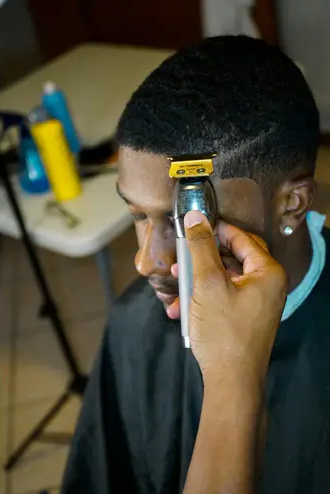
Fades and tapers require the most regular maintenance of any men's style. The entire look depends on a precise gradient from skin to length, and even a week or two of growth can blur that blend. When clients wait too long, the structure disappears. The neckline grows uneven, the blend loses its crispness, and the overall shape becomes bulky.
Regular visits keep:
- Blends clean and smooth
- The haircut structured and intentional
- The neckline sharp and defined
If you wear a fade, treat your barber visit the same way you treat any other part of your routine. Waiting four or five weeks turns a maintenance appointment into a full correction.
Short Natural Cuts — Every 3 to 4 Weeks
Short styles hold their shape a little longer than fades, but they still need regular maintenance to stay clean and professional. Hair grows at an average rate of about half an inch per month, and on a short cut, that half inch is noticeable.
Waiting too long can cause:
- Uneven growth across the top and sides
- Loss of the original shape and proportions
- A messy, undefined appearance
Longer Styles, Locs, and Twists — Every 4 to 6 Weeks
Even longer styles need regular grooming. The length may not change dramatically between visits, but the details do. Edges thin out, hairlines lose definition, and without shaping, styles start to look neglected instead of intentional.
Maintenance keeps:
- Edges clean and well-defined
- The hairline healthy and protected
- Styles structured and professional
Without regular upkeep, edges thin and styles lose their form. Consistent maintenance also gives your barber the chance to catch early signs of breakage or thinning before they become bigger problems.
Quick Reference: Men's Haircut Schedule
| Style | Recommended Frequency | Why |
|---|---|---|
| Fades and Tapers | Every 2–3 weeks | Blend loses structure quickly |
| Short Natural Cuts | Every 3–4 weeks | Growth becomes noticeable and uneven |
| Longer Styles / Locs / Twists | Every 4–6 weeks | Edges and hairline need shaping |
| Lineups and Edge Ups | Every 1–2 weeks | Hairline and temples grow out fast |
| Beard Lineups | Every 1–2 weeks | Edges blur quickly without maintenance |
| Beard Trims | Every 2–3 weeks | Shape and even growth require upkeep |
How Hair Texture Affects Your Schedule
Most haircut guides treat all hair the same. It is not. After decades of working with every texture in the chair, I can tell you that hair type is one of the biggest factors in determining how often you need to come in.
Coily and Afro-Textured Hair
Coily hair tends to grow slower visually because the curl pattern compresses length. A half inch of growth on coily hair looks very different from a half inch on straight hair. That said, the edges and hairline still grow out quickly and need regular shaping. Clients with coily textures wearing fades or tapers should maintain the same 2 to 3 week schedule. Those growing out natural styles should come in every 4 to 6 weeks for shaping, edge maintenance, and health checks.
Coily hair is also more prone to dryness and breakage, so regular visits give your barber the opportunity to assess scalp health and recommend adjustments to your routine.
Wavy and Curly Hair
Wavy and curly textures can be forgiving because the natural movement hides some growth. But the trade-off is that curly hair loses its shape faster when it grows unevenly. A cut that looked balanced at two weeks can look lopsided at four. For styled cuts, every 3 to 4 weeks works well. For more relaxed looks, you can stretch to 5 weeks, but edges still need attention.
Straight and Fine Hair
Straight hair shows growth the fastest. Every fraction of an inch is visible, especially around the ears and neckline. If you wear a tight, structured cut, 2 to 3 weeks is the standard. If your style has more length and movement, 3 to 4 weeks is reasonable. The key with straight and fine hair is that neglect is harder to hide.
Lineups and Edge Ups: The Most Overlooked Appointment
Recommended: Every 1 to 2 weeks
The lineup is the single fastest way to look put-together between full haircuts. Your hairline, temples, and sideburns grow out faster than the rest of your head, and even a few days of growth can make a clean cut look unkept.
If you cannot get a full haircut every two weeks, scheduling a lineup between cuts is a smart compromise. A five-minute edge up extends the life of your haircut by a week or more and keeps your appearance sharp for work, events, or daily life.
This is especially important for clients in professional environments where presentation matters. A clean lineup communicates attention to detail, and it costs a fraction of a full cut.
Why Waiting Too Long Hurts Your Haircut
When clients wait too long between visits, a few things start to happen:
- Fades lose their structure and blend
- Necklines grow uneven and shapeless
- Corners round out
- Lineups blur and hairlines look fuzzy
- Beards lose their defined edges
- Hair begins growing in different directions
At that point, the barber is not maintaining the cut. They are correcting it. Correction takes more time, often produces a less ideal result because there is less to work with, and in many cases it means starting over.
The longer you wait, the more you pay for correction instead of maintenance. Regular grooming keeps everything sharp with minimal effort. This is why I encourage every client to build a relationship with their barber and commit to a consistent schedule. It saves you money and delivers better results.
The Beard Has Its Own Schedule
Your beard requires just as much attention as your haircut. Treating them on the same schedule is a common mistake. The beard has its own growth pattern and its own maintenance timeline. For a complete guide to maintaining your beard between barber visits, including daily routines and product recommendations, read our dedicated beard care guide.
Beard Lineups — Every 1 to 2 Weeks
This keeps the beard looking sharp and prevents blurry edges. The cheek line, jawline, and neck boundary all grow out quickly. A weekly or biweekly lineup keeps things clean without requiring a full trim.
Beard Trims — Every 2 to 3 Weeks
Trims maintain shape, remove split ends, and promote healthier, more even growth. Without regular trimming, beards develop uneven patches where some areas grow faster than others. A professional trim keeps the beard proportional and intentional.
Beard Wash and Sculpt — Monthly
The skin under your beard collects oil, dirt, and dead skin cells daily. Without proper cleaning and care, it can lead to dryness, itchiness, and beard dandruff. A monthly professional wash and sculpt keeps both the hair and the skin beneath it healthy. This is the grooming step most men skip, and it is the one that makes the biggest difference in how the beard looks and feels.
Grooming Is About Health, Not Just Looks
Regular grooming helps prevent common issues that most men deal with at some point:
- Ingrown hairs from overgrown edges and improper shaving
- Razor bumps, especially for men with curly or coarse textures
- Dry, flaking scalp from product buildup and neglect
- Beard dandruff from trapped oil and dead skin
- Patchy growth caused by breakage and thinning
- Receding edges from tension, neglect, or improper technique
When hair and skin are maintained properly, irritation decreases and growth improves. Your barber can also catch early warning signs of scalp issues, thinning, or damage before they become serious. Consistency protects your hairline, scalp, and beard long-term.
Seasonal Adjustments to Your Schedule
Your grooming schedule is not static. Hair responds to seasons, and your schedule should adjust accordingly.
During warmer months, hair tends to grow slightly faster due to increased blood circulation and vitamin D exposure. If you normally come in every three weeks, you may need to tighten that to two and a half during summer. Sweat and sun exposure also mean your scalp and beard need more frequent cleaning.
During colder months, hair and skin tend to dry out. Growth may slow slightly, but the real concern is scalp and beard health. Cold, dry air strips moisture from skin and hair. This is when beard dandruff peaks and scalp flaking increases. Maintaining your regular schedule through winter, even when you are not going out as much, keeps everything healthy heading into spring.
What to Do Between Barber Visits
Your barber handles the precision work. What you do between visits determines how long that work lasts. Here are the basics that extend the life of any cut:
- Wrap or cover your hair at night. A durag, wave cap, or satin pillowcase protects the cut while you sleep and reduces friction that causes frizz and breakage.
- Moisturize your scalp and beard. A light oil or moisturizer prevents dryness between visits. Dry hair breaks. Moisturized hair holds its shape.
- Avoid touching your hairline. Constantly brushing or picking at your edges accelerates thinning. Let the lineup do its job.
- Wash your beard properly. Use a beard-specific wash, not the same bar soap you use on your body. The skin under your beard is sensitive and needs targeted care.
- Do not attempt your own lineup. This is the most common mistake I see. A self-inflicted lineup gone wrong means your barber has less hairline to work with at your next visit. Leave the edges to a professional.
The Professional Standard
What separates professional grooming from random haircuts is planning and consistency. A skilled, properly credentialed barber does not just cut hair. They manage a system.
Professional barbers:
- Document client preferences and history
- Track growth patterns and adjust techniques
- Maintain symmetry across visits
- Adapt as your hair changes with age, lifestyle, and seasons
- Build long-term grooming plans that keep you looking sharp year-round
The best haircuts are not accidental. They are maintained. And that requires a barber who knows your hair as well as you do. This is why I believe in the consultation-first approach for every client, whether it is your first visit or your fiftieth.
Does Cutting Your Hair Make It Grow Faster?
This is one of the most persistent grooming myths, so let me address it directly: no, cutting your hair does not make it grow faster.
Hair grows from the follicle beneath the scalp at an average rate of about half an inch per month. That rate is determined by genetics, nutrition, and overall health. Cutting the ends has no effect on what happens at the root.
What regular haircuts do is remove damaged ends, prevent split ends from traveling up the hair shaft, and maintain a shape that looks fuller and healthier as it grows. Consistent trims support the appearance of healthy growth, but they do not change the speed. If someone tells you otherwise, they are repeating a myth.
Your Hair Is a Reflection of Your Routine
Your appearance speaks before you do. The way you maintain your hair and beard communicates discipline, self-awareness, and attention to detail. These are qualities that matter in interviews, first impressions, and daily life.
Consistency builds confidence. Grooming reflects self-respect. Your barber should not be a random stop when you notice things look rough. They should be part of your routine, the same way your doctor, dentist, and trainer are.
When you commit to regular grooming, you do not just look better. You feel better. And the people around you notice.
Book Your Next Appointment
Stay ahead of your grooming routine. Book your next visit and ask about our grooming membership options for priority booking and consistent maintenance scheduling.
Book NowFrequently Asked Questions
How often should men get a haircut?
Most men should get a haircut every 2 to 4 weeks. Fades and tapers need maintenance every 2 to 3 weeks to stay sharp. Short natural cuts hold shape for 3 to 4 weeks. Longer styles, locs, and twists can go 4 to 6 weeks between visits. Your specific schedule depends on hair texture, growth rate, and the style you wear.
How often should you get a fade?
Fades should be maintained every 2 to 3 weeks. Because fades rely on a precise gradient from skin to length, even a small amount of growth can blur the blend and make the cut look unfinished. Clients who wait longer than 3 weeks typically need a full correction rather than a simple maintenance visit.
Does cutting your hair make it grow faster?
No. Hair grows from the follicle beneath the scalp at an average rate of about half an inch per month. Cutting the ends does not change that. What regular haircuts do is remove damaged ends and maintain shape, which makes hair appear healthier and fuller as it grows out. Consistent grooming supports healthy growth, but it does not change the speed.
How often should you get a lineup or edge up?
Lineups and edge ups should be maintained every 1 to 2 weeks for the sharpest results. The hairline, temples, and beard edges grow out quickly and lose definition faster than the rest of the cut. Scheduling a lineup between full haircuts is a cost-effective way to stay sharp.
How often should you trim your beard?
Beard lineups should happen every 1 to 2 weeks. Full beard trims are recommended every 2 to 3 weeks to maintain shape and promote even growth. A professional beard wash and sculpt should be done monthly to address the skin beneath the beard and prevent dryness and irritation.
How do I know when I need a haircut?
Common signs include: your fade has lost its blend, your neckline looks uneven, your lineup has grown out, your hair takes longer to style in the morning, and your beard edges look blurry. If you notice any of these, you have likely waited too long. A regular schedule prevents these problems entirely.